
Graphics for any surface.
Imagine graphics that do not stop at a smooth wall. Graphics that adapt to the texture, enhance the structure of the material, and become a natural part of it.
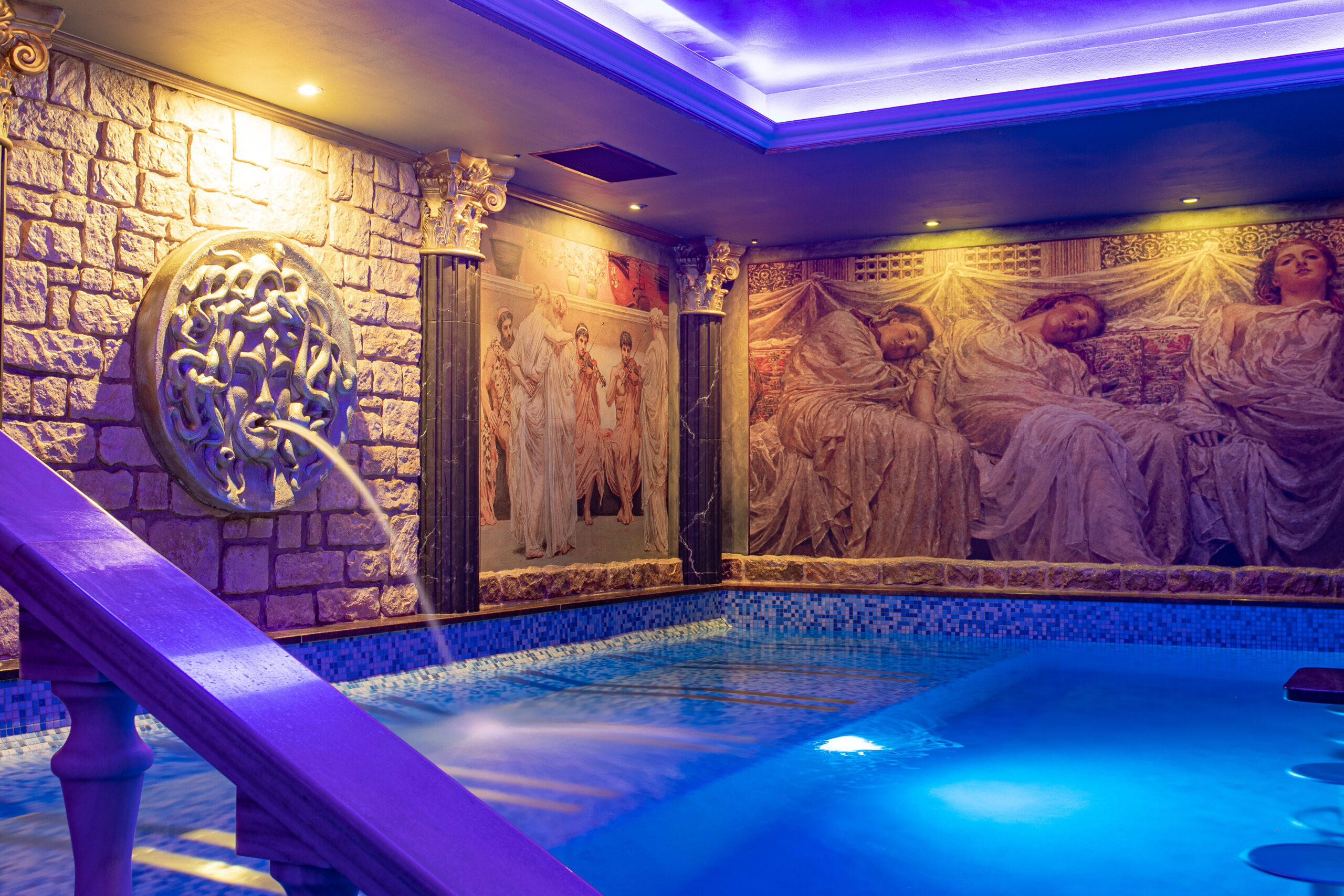
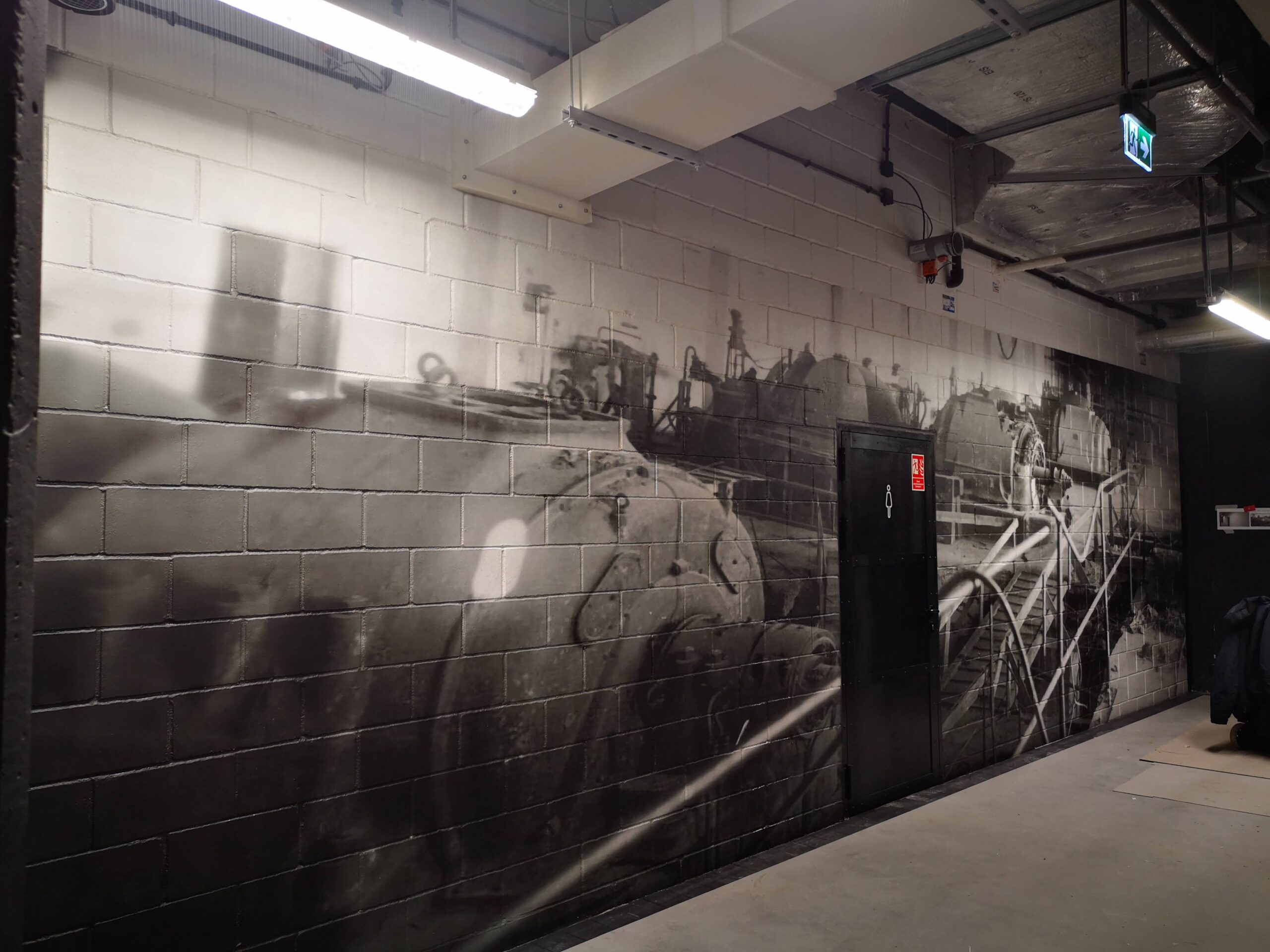
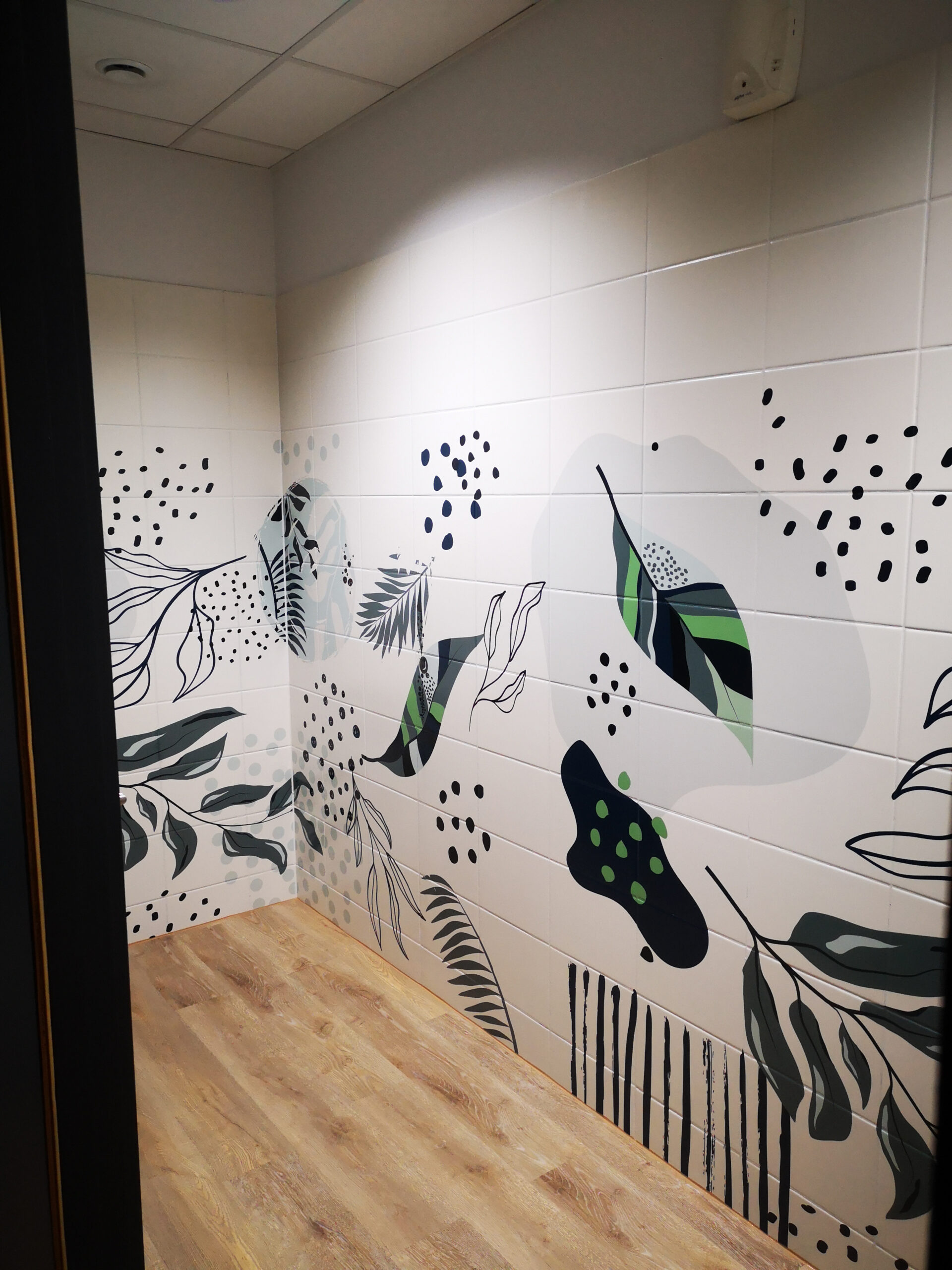
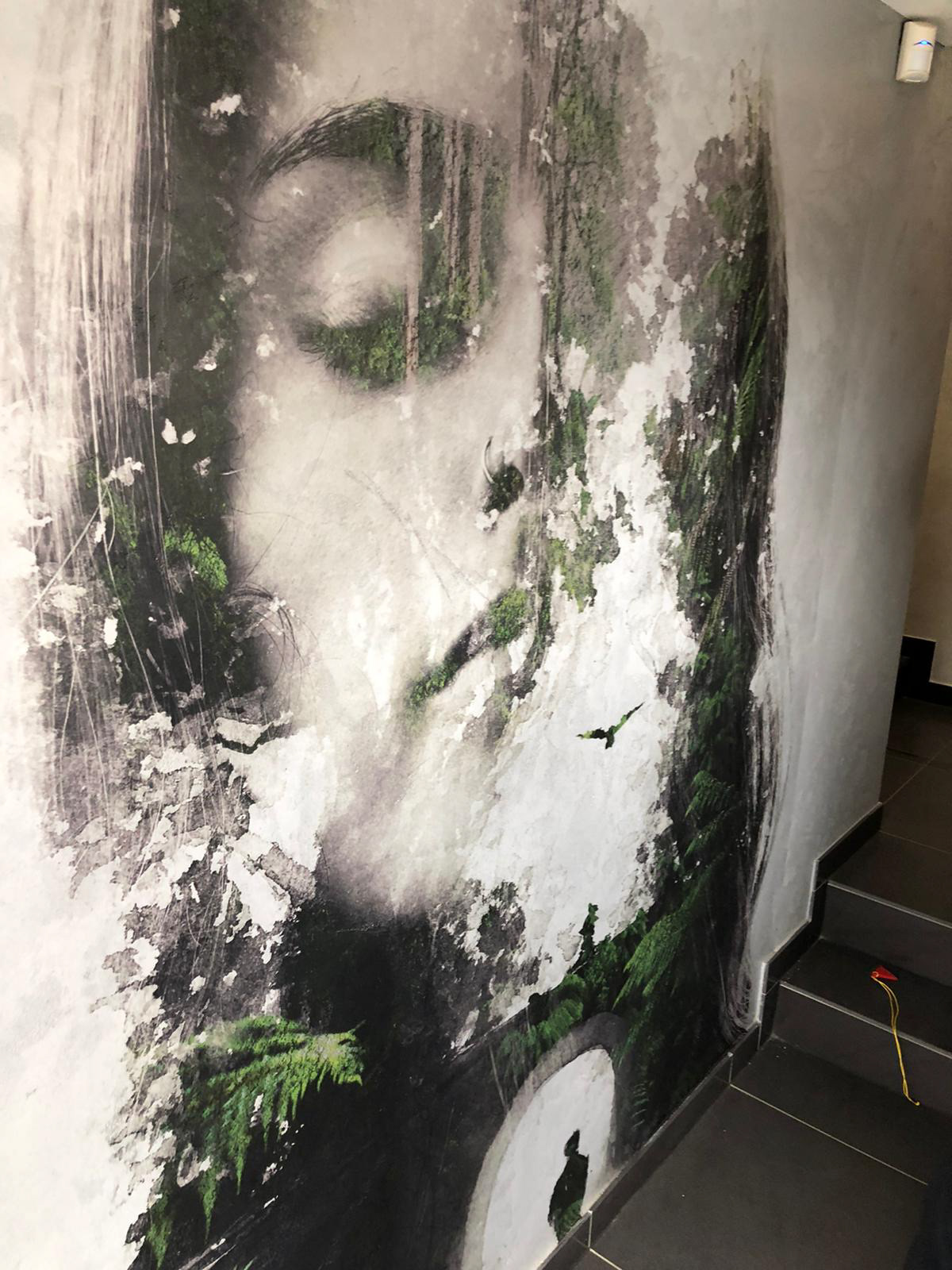
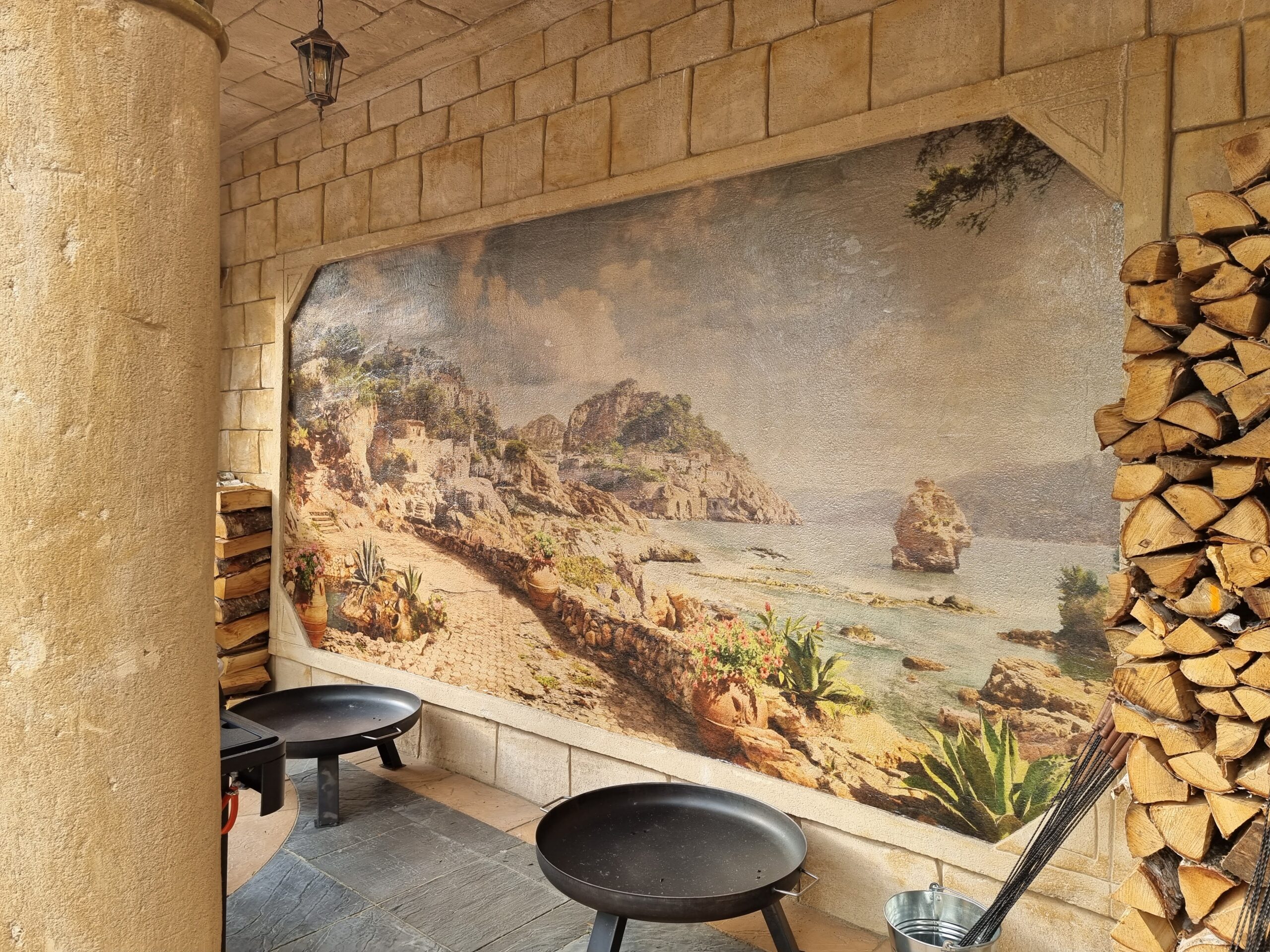
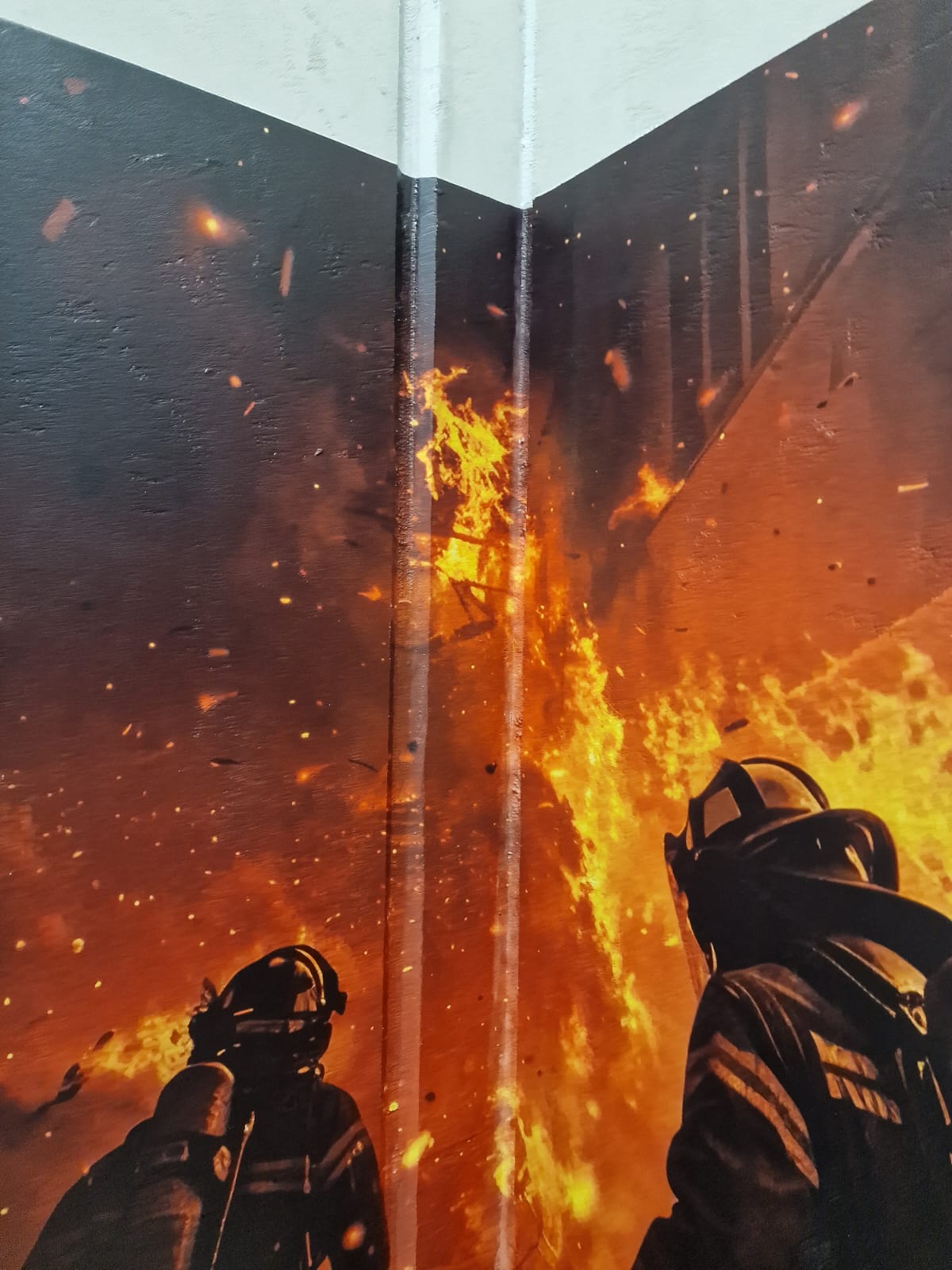
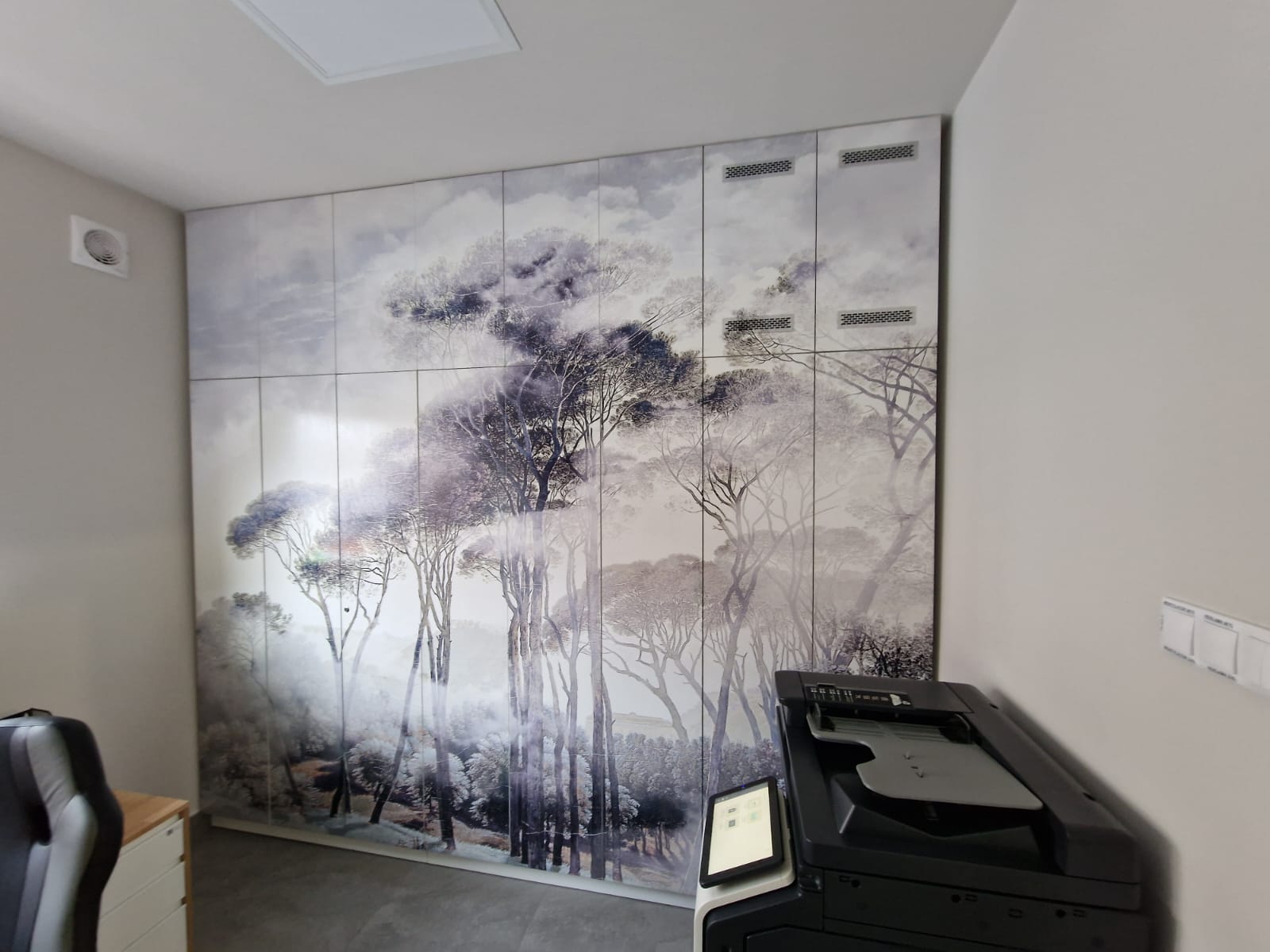
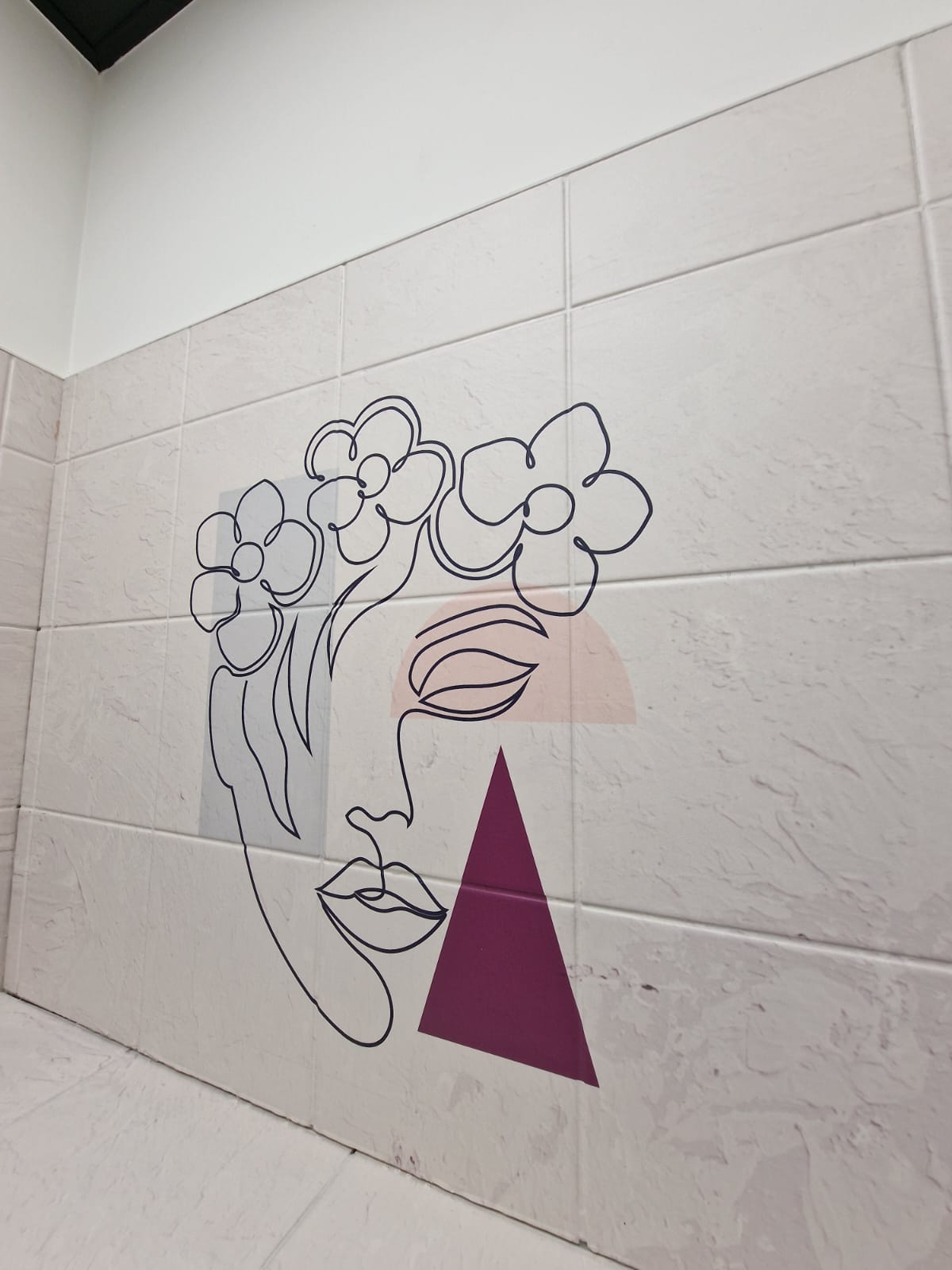
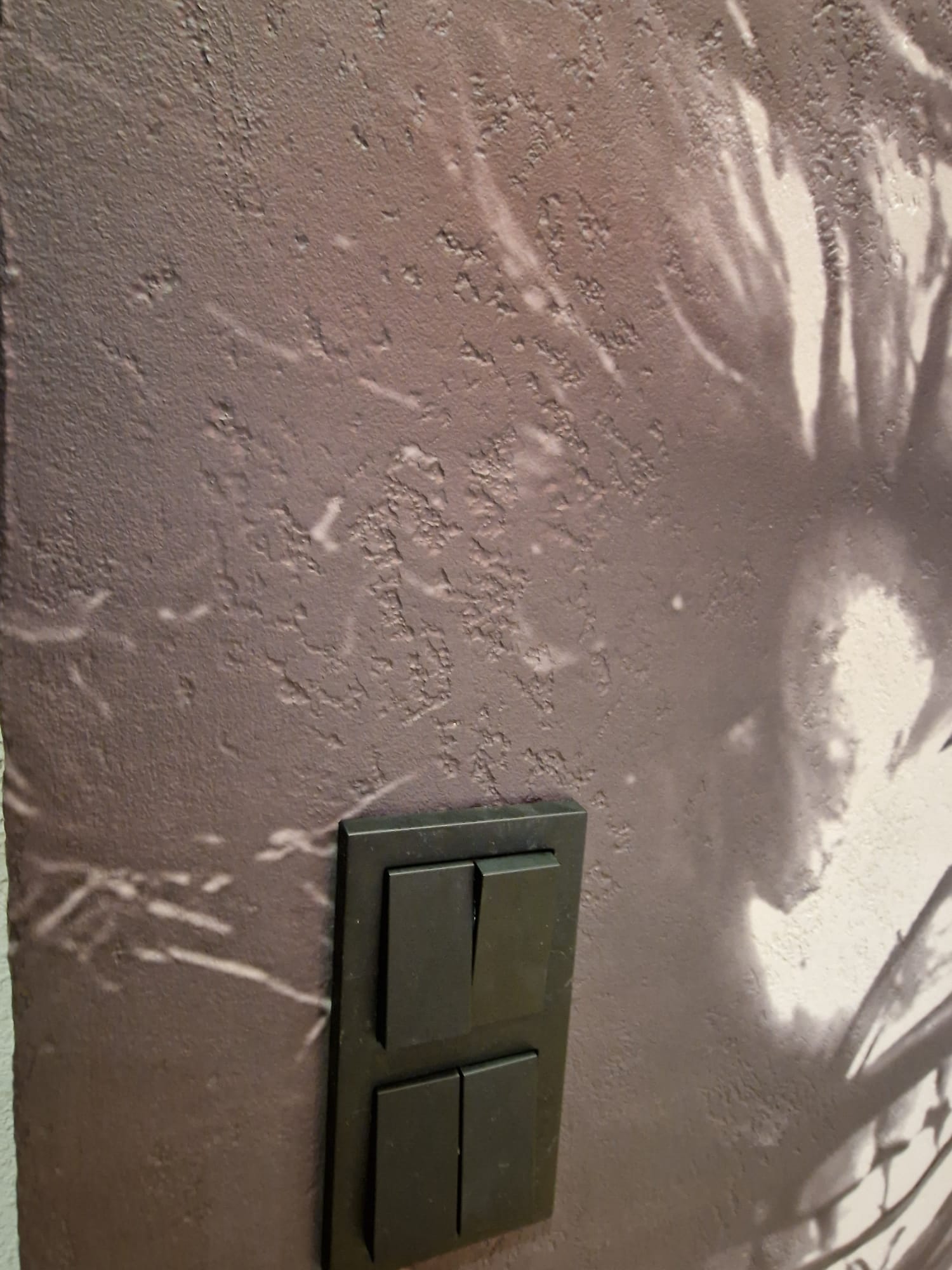
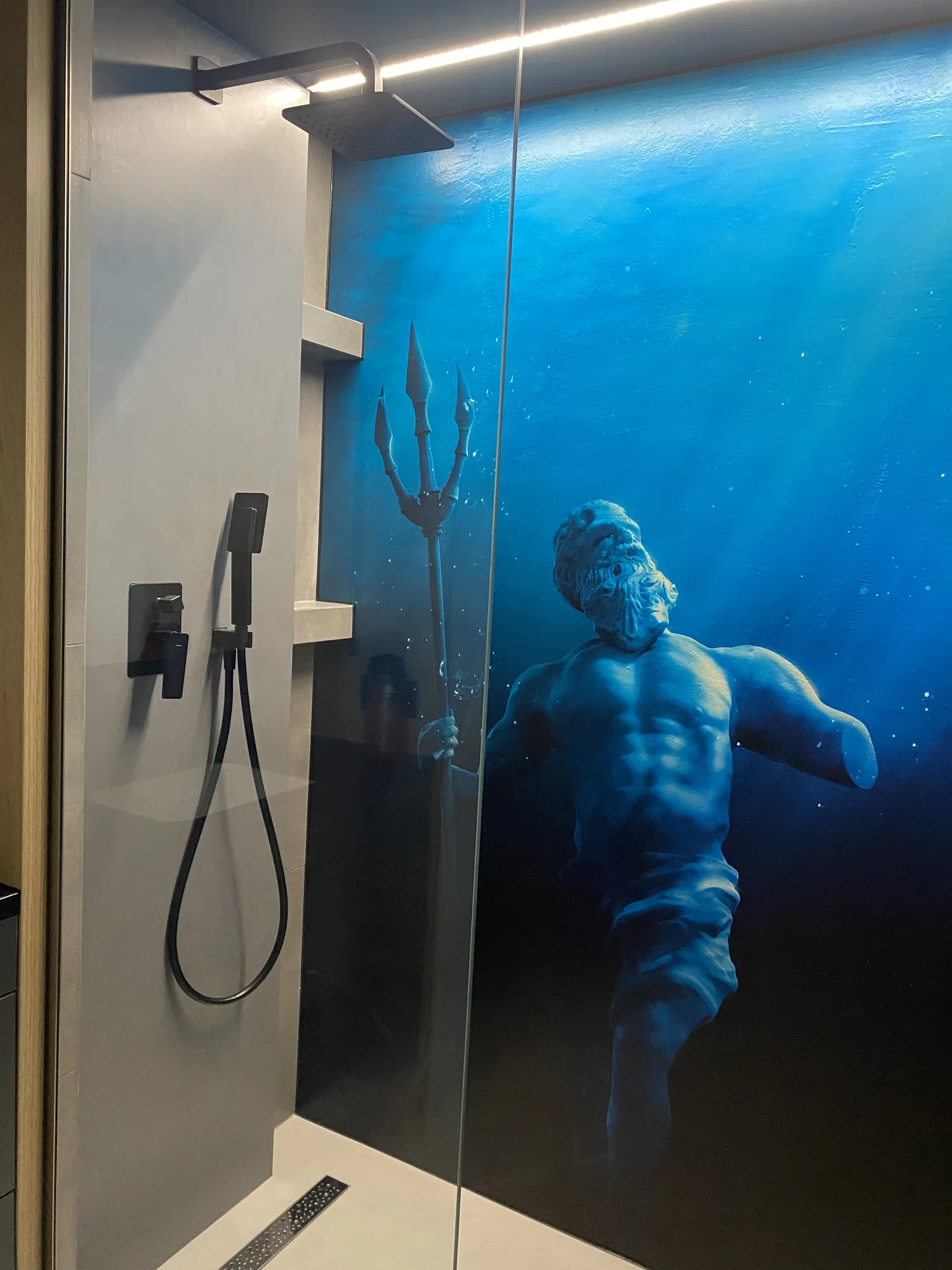
We use our proprietary Zimli Cold Transfer technology to transfer graphics onto surfaces that were previously beyond the reach of traditional decoration methods. Architectural concrete, wood, metal, decorative plaster, textured panels, or three-dimensional elements — the graphic integrates with the material while preserving its character and depth.
- An alternative to wall murals and stickers
- Conforms to the surface
- Custom projects
A graphic transfer medium, not a ready-made decoration.
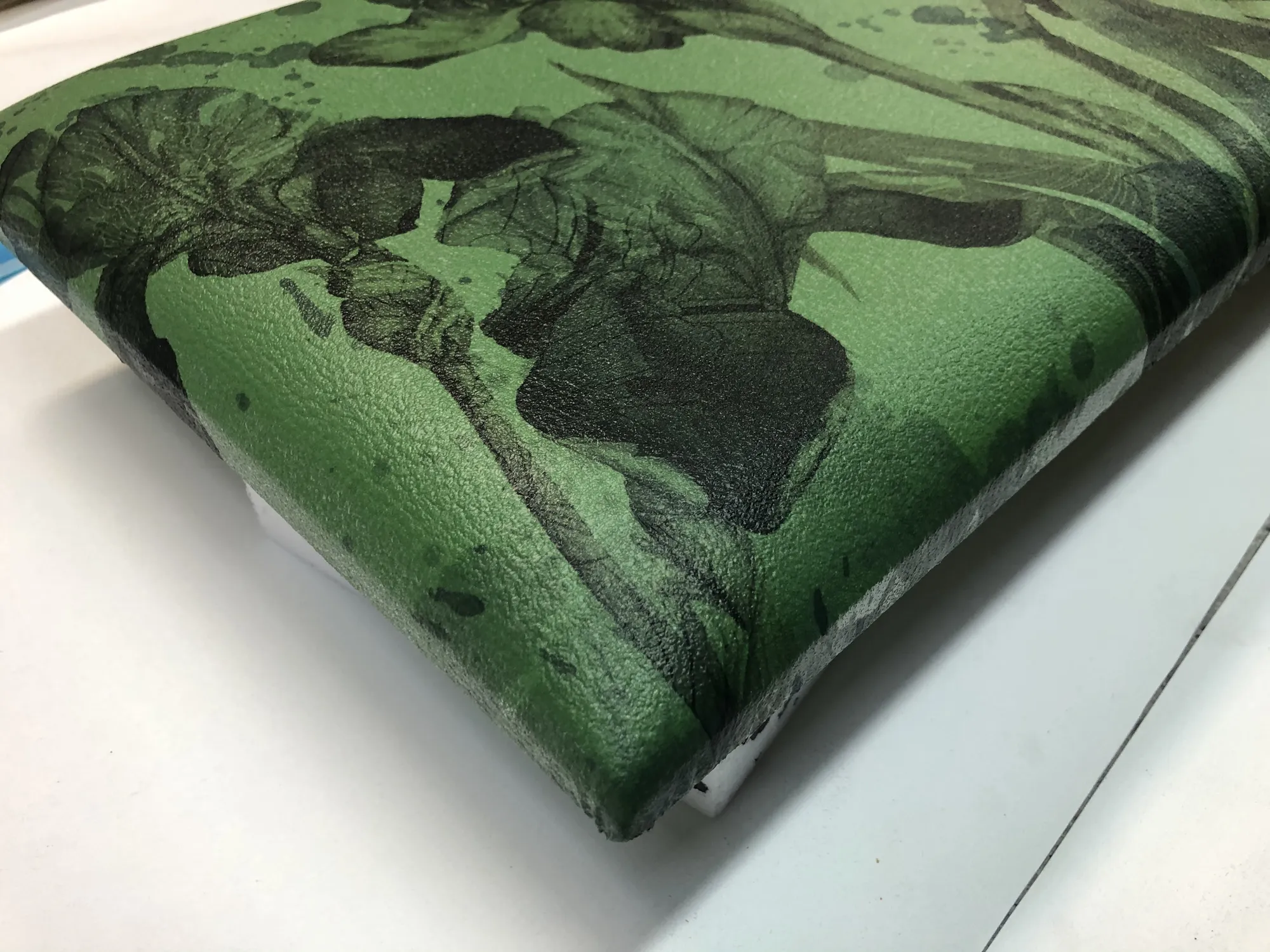
Zimli Cold Transfer is a thin, transparent transfer film designed to apply graphics to textured surfaces. Its high elasticity allows it to conform to uneven areas, reliefs, and surface textures while maintaining full image quality and detail. Once applied, the film becomes almost invisible — only the graphic integrated with the surface remains visible. This technology was created for applications where standard decorative materials are limited by texture and shape.
Six reasons to choose Cold Transfer
Instead of fighting the surface, the technology works with its character — from a single detail to a large-format installation.
The graphic works with the material
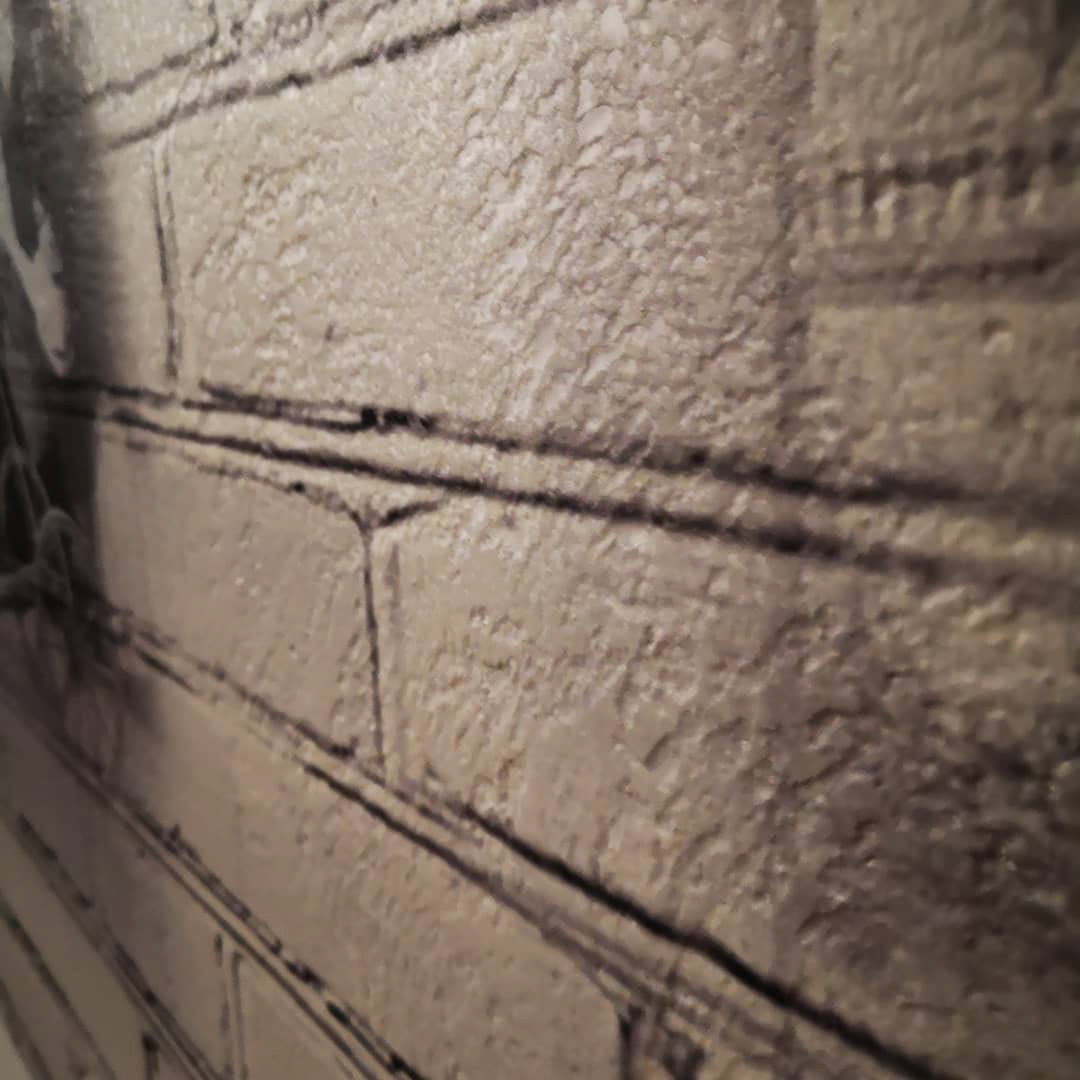
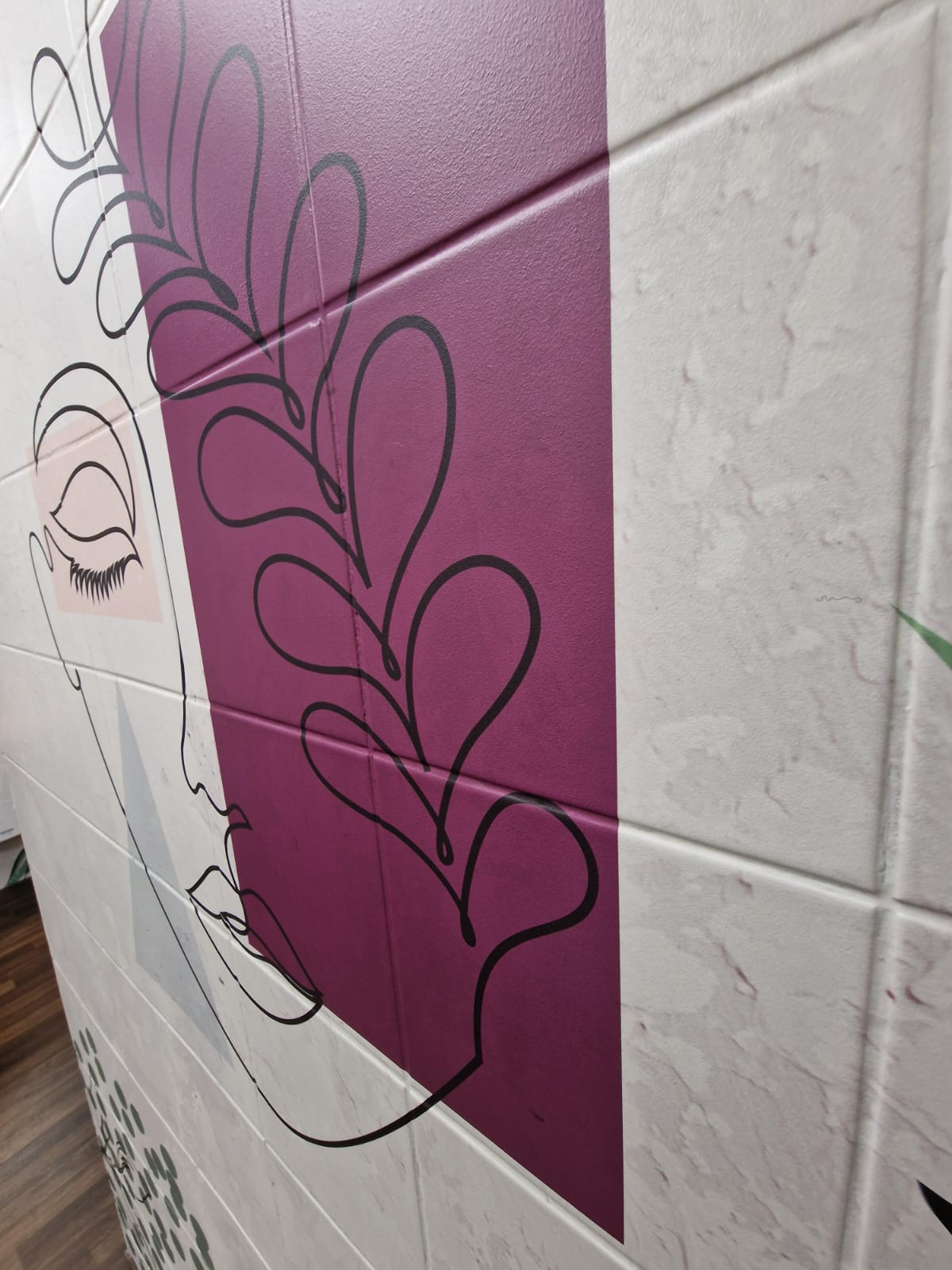
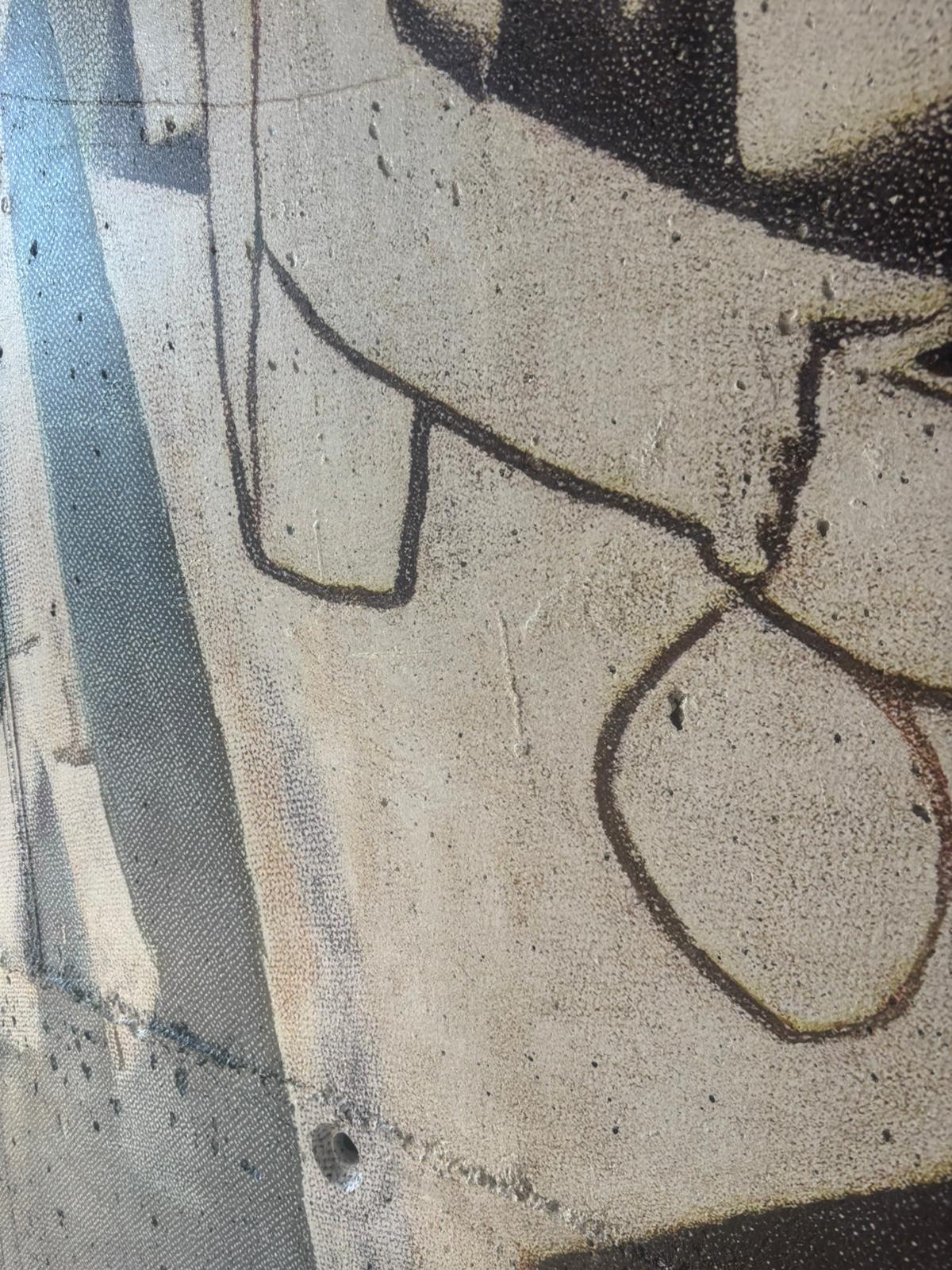
Instead of covering the surface, the graphic enhances its character. Wood grain, concrete texture, decorative plaster, and molding details remain visible.
Design freedom without limitations
You can use any graphic, illustration, photograph, or artistic design. The technology adapts to your creative vision, not the other way around.
Surfaces that were previously out of reach
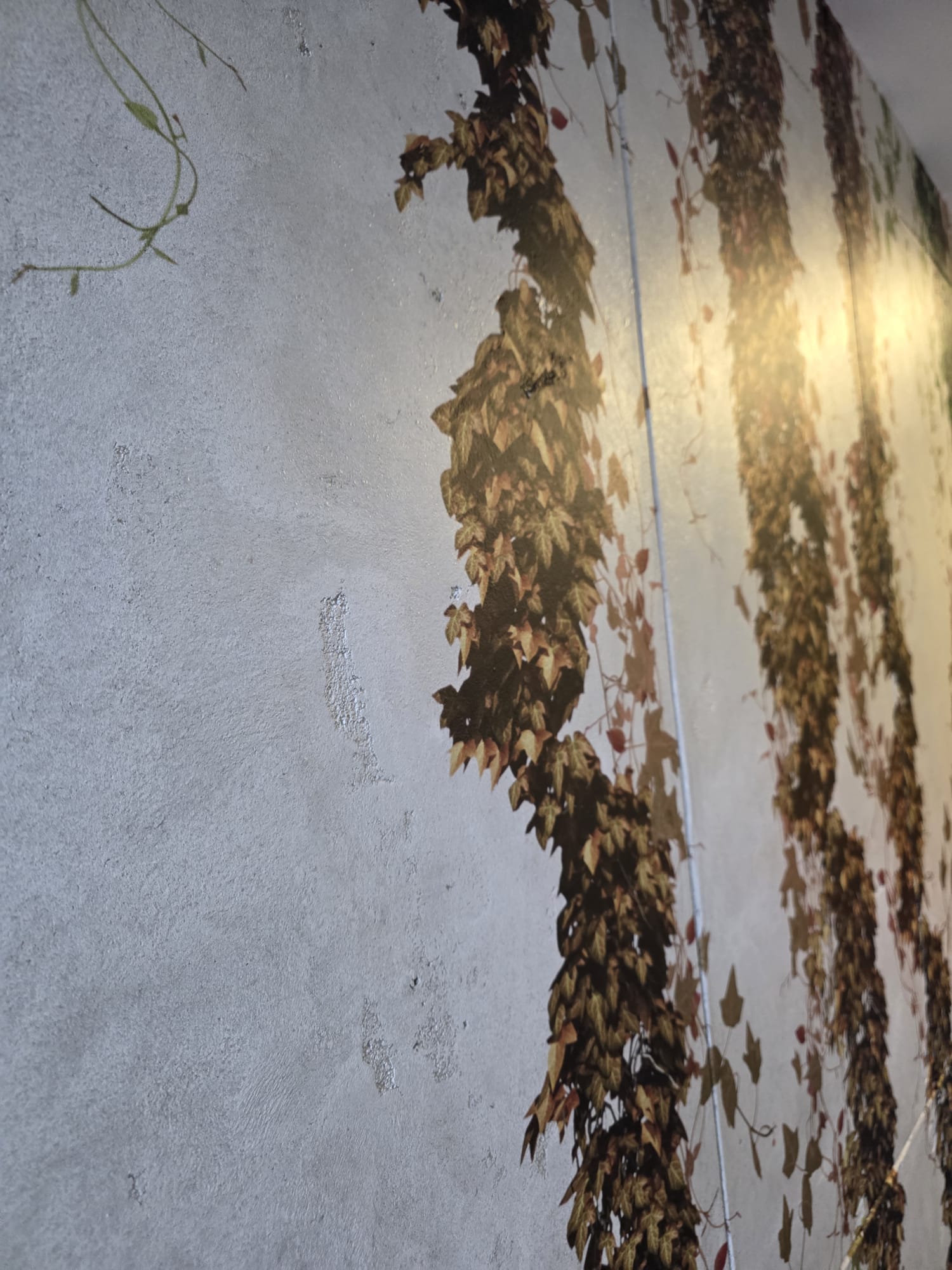
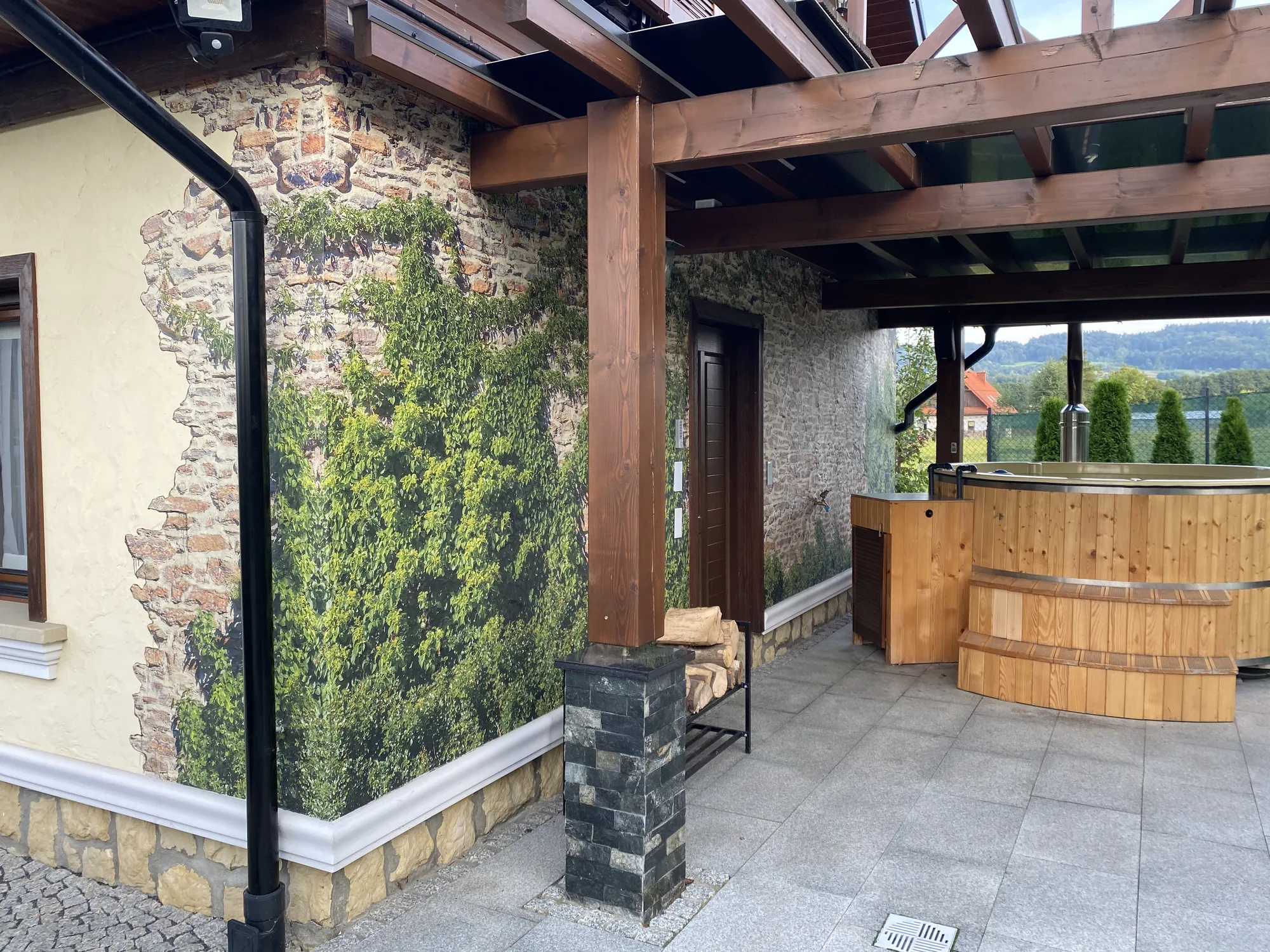
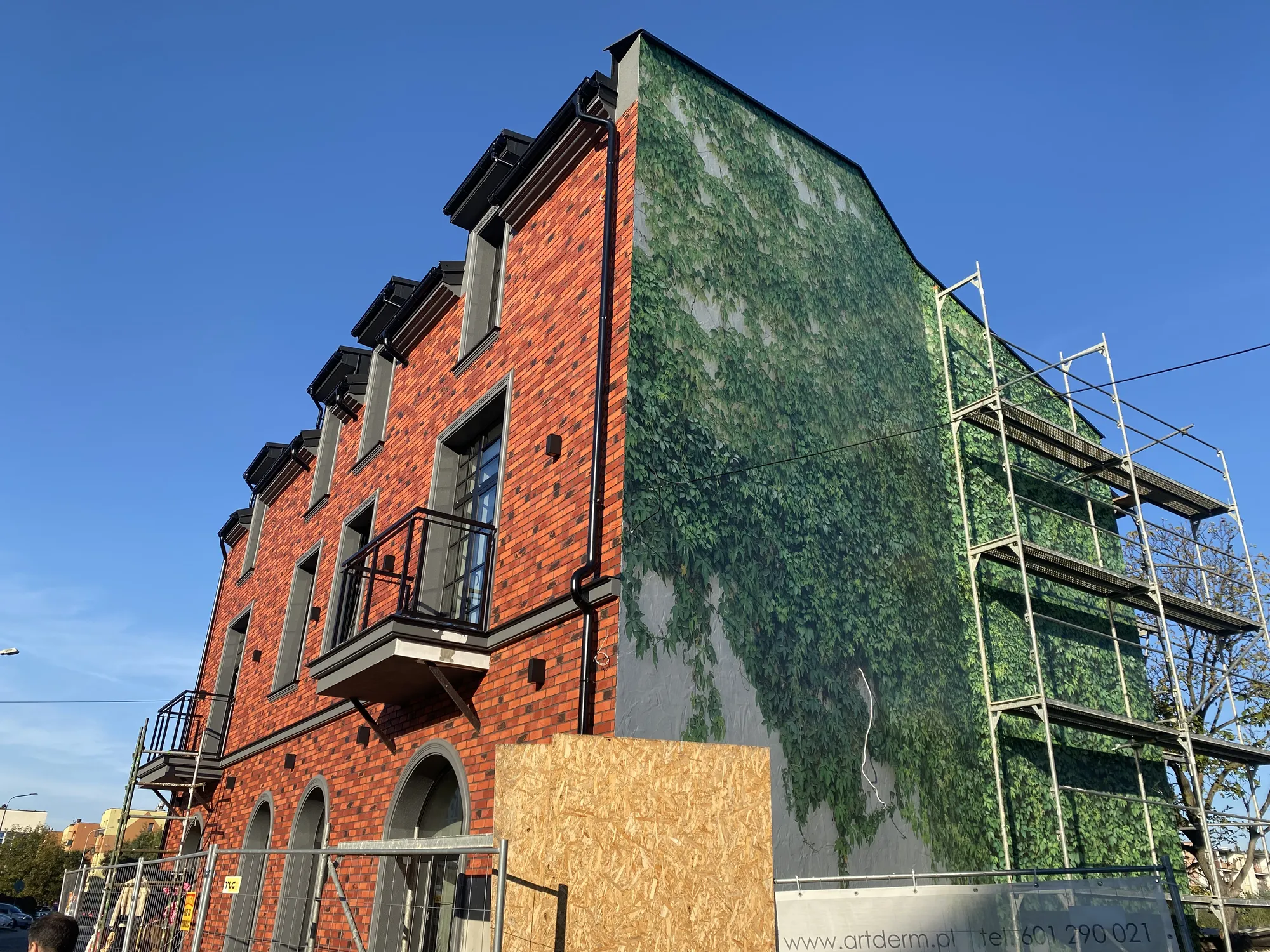
Architectural concrete, brick, slats, 3D panels, moldings, or facade elements — Zimli makes it possible to apply graphics to materials with complex textures and geometries.
From fine details to large formats
The same technology works equally well on small decorative elements, walls, facades, and large-format commercial installations.
One design, many materials
A graphic can be transferred onto different surfaces within a single project. This allows walls, decorative panels, moldings, and interior elements to form one coherent whole.
Interiors, facades, and decorative elements
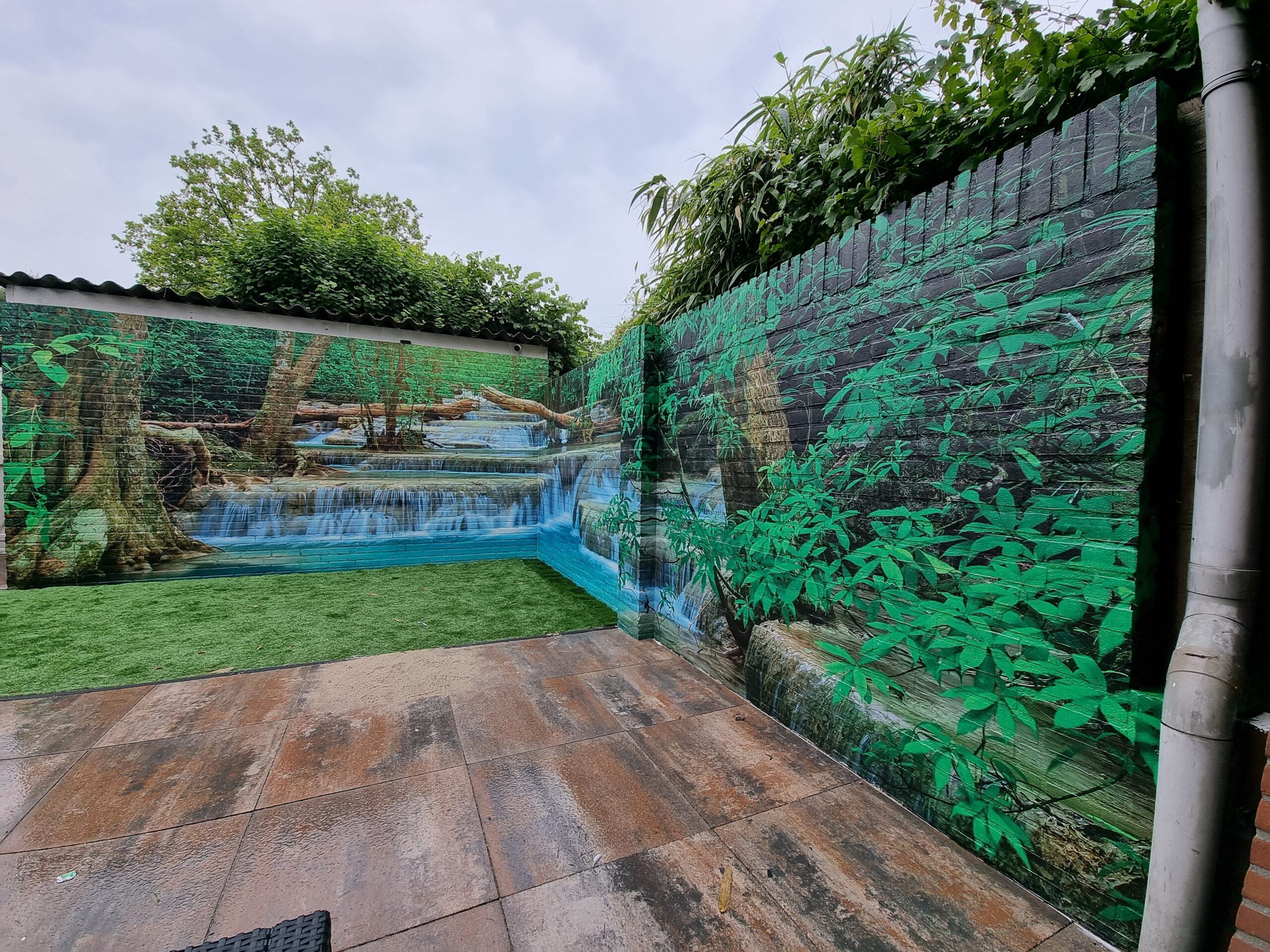
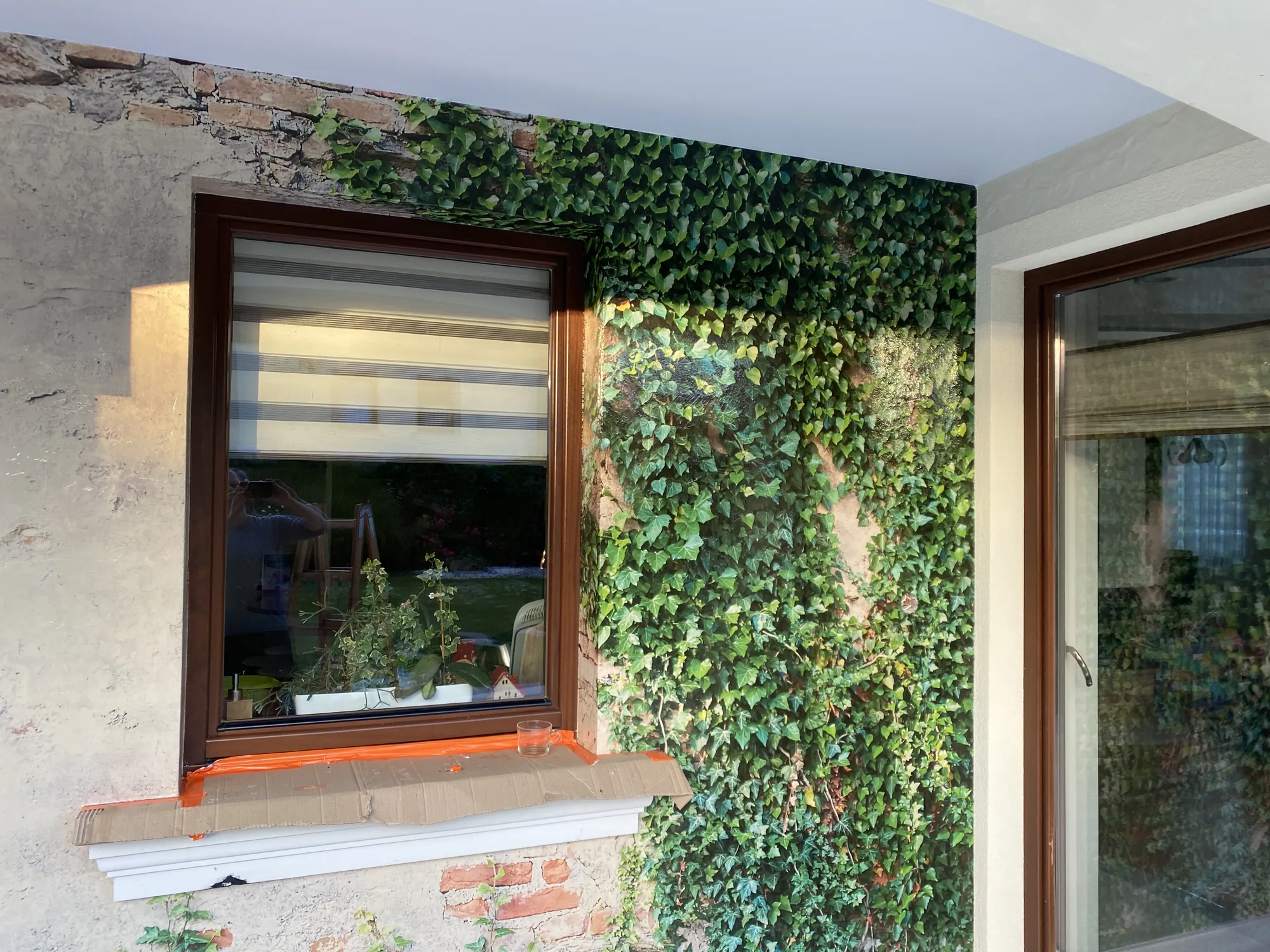
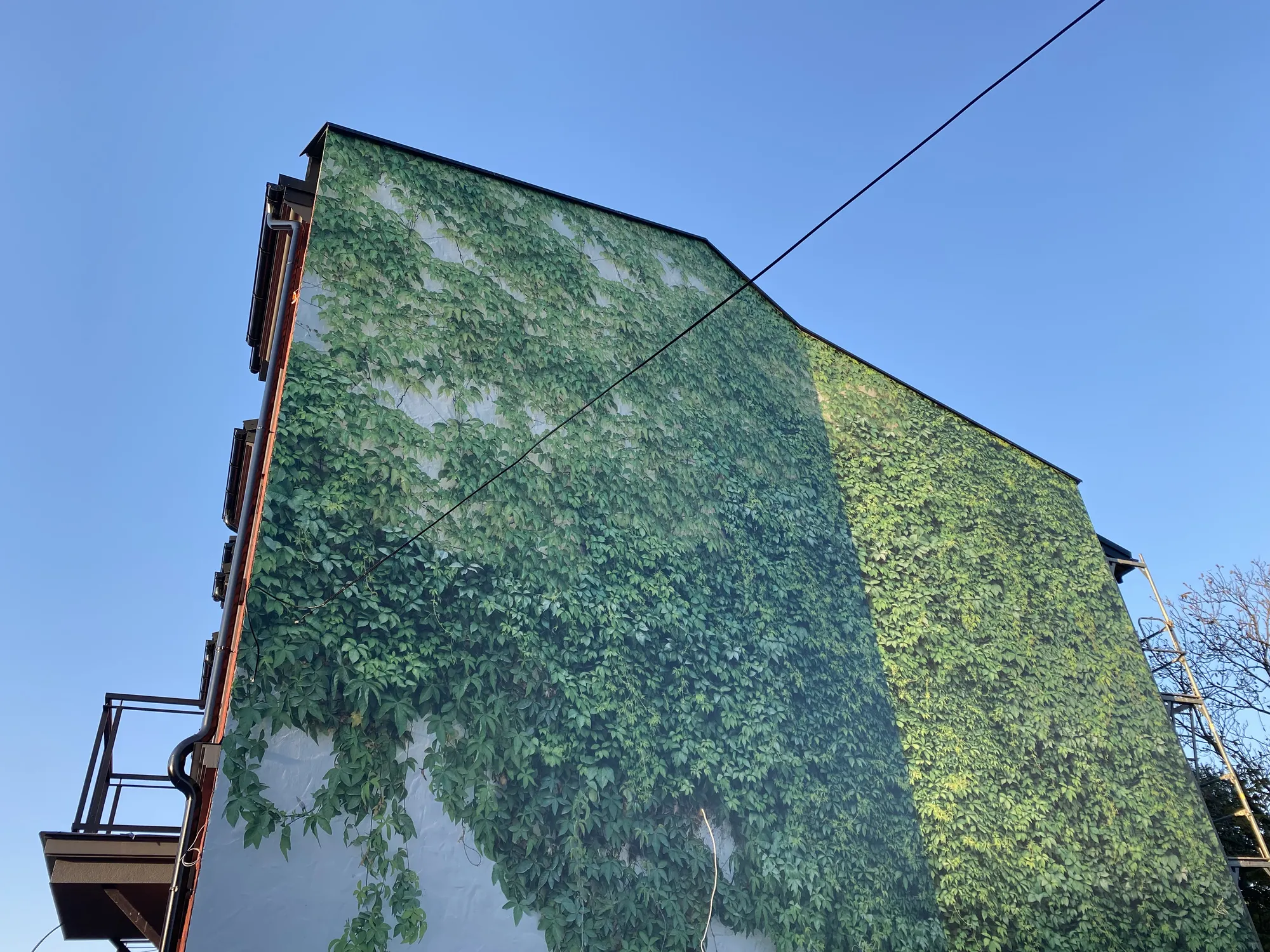
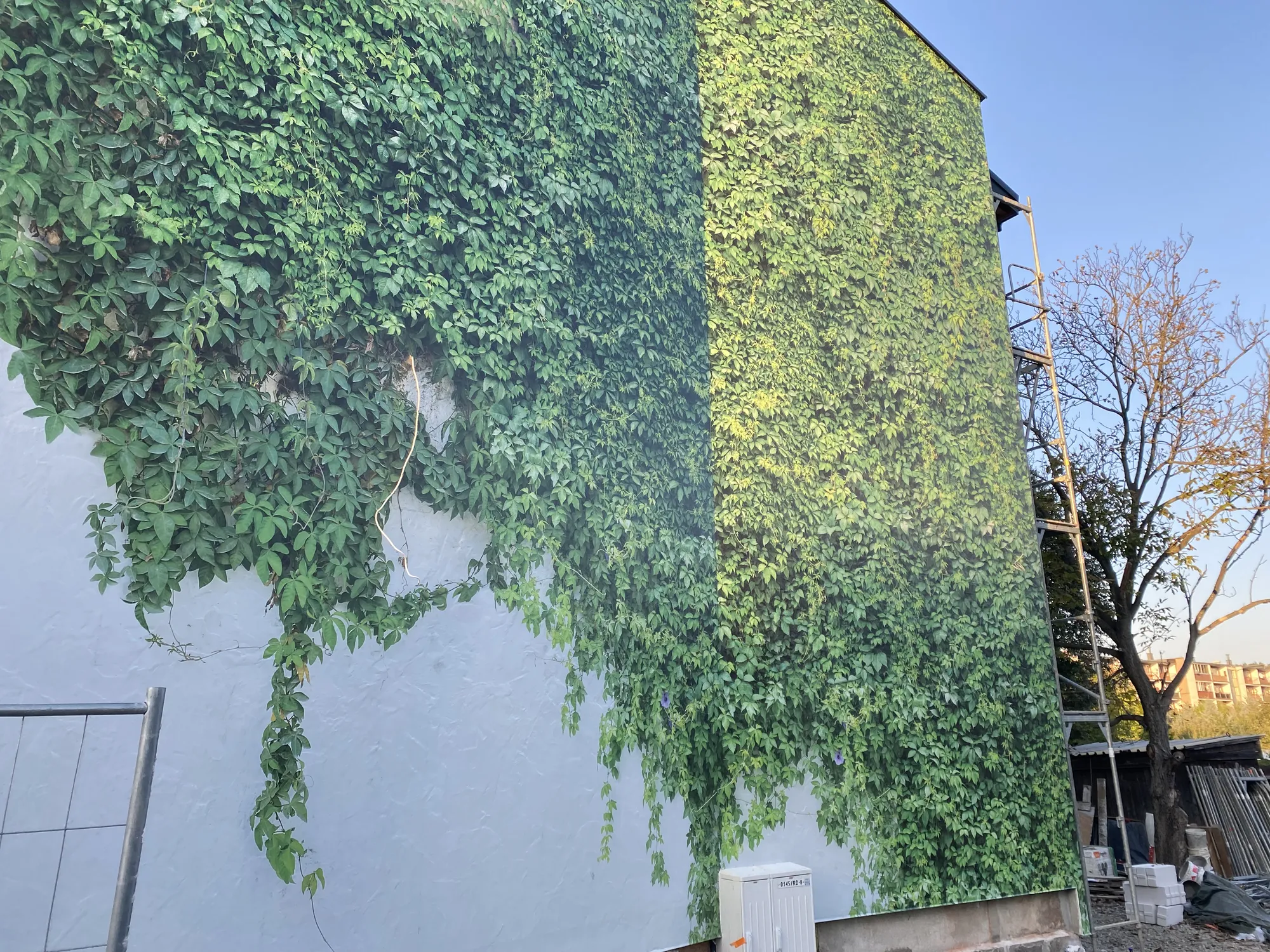
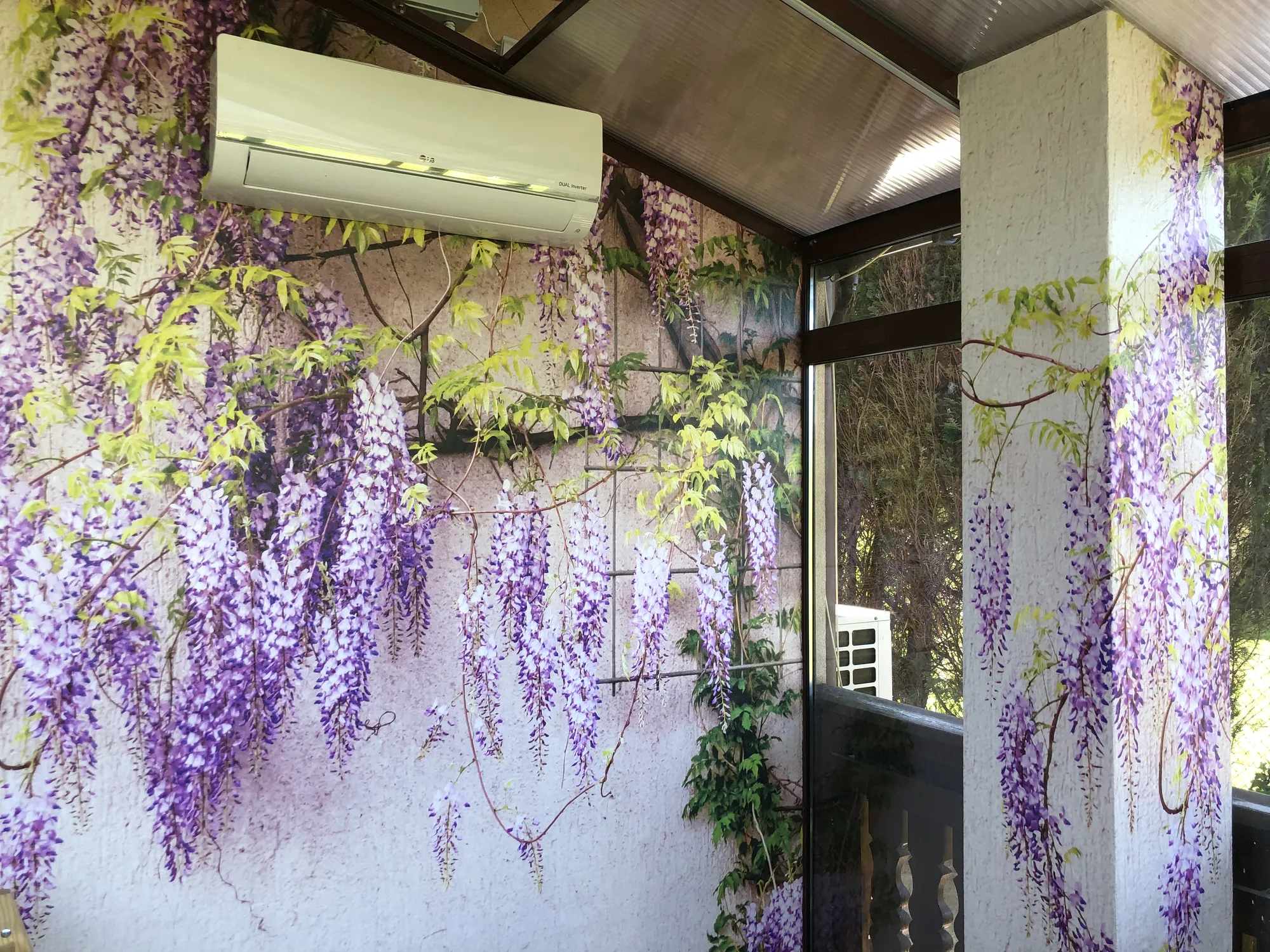
Zimli Cold Transfer can be used in both private and commercial interiors, as well as on exterior surfaces exposed to weather conditions.
The result? The graphic does not look like an add-on.
It becomes an integral part of the surface.
Performance that opens up new surfaces
Every Zimli Cold Transfer project is backed by measurable material properties.
Material stretchability
It conforms to uneven areas, bends, and surface structures while maintaining the continuity of the graphic.
Relief depth
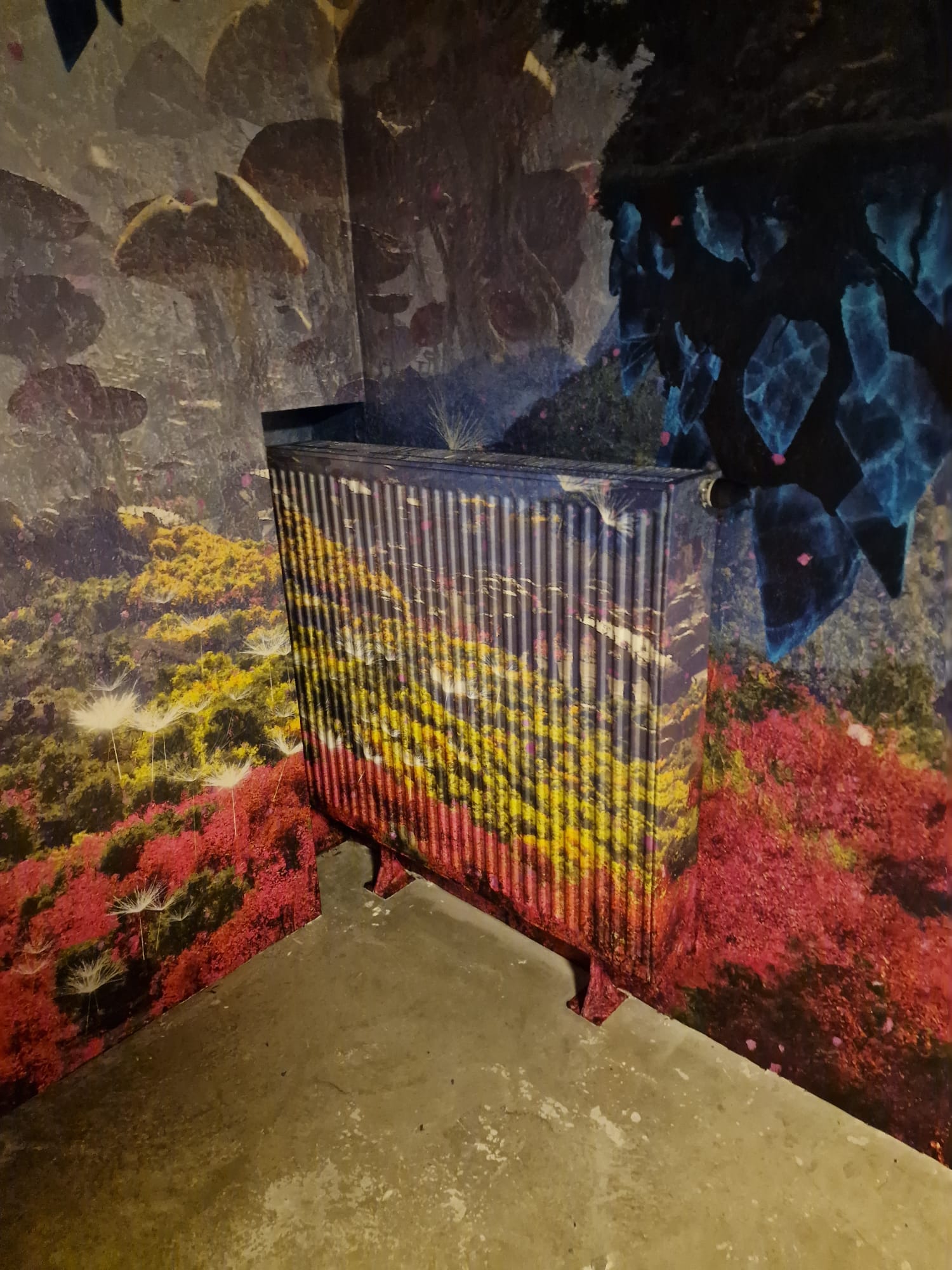
It accurately follows pronounced reliefs and deep textures without losing design detail.
Transparency
Wood grain and the texture of concrete, brick, or decorative plaster remain visible.
One technology, many surface types
Concrete, wood, metal, glass, ceramics, plaster, 3D panels, moldings, and plastics.
Material stretchability
up to 200%
Max. relief depth
up to 2 cm (20 mm)
Material type
transparent transfer film
White underprint
selective (optional)
Detail and color reproduction
high precision
Application
indoor and outdoor
Project scale
from fine details to large formats
Production
European, commercial-grade
Need a technical data sheet?
We will provide detailed technical documentation and advice for your specific surface — helping you choose the right solution for your project.
Watch the tutorial
How we transfer graphics onto a surface — step by step.
Technology created so that graphics can work with the surface instead of covering it.
Surfaces that gain a new dimension
Zimli Cold Transfer works with surfaces that have traditionally challenged conventional graphic application methods — surfaces with varied textures, structures, and geometries.
Walls — indoors and outdoors
Application on a wide range of finishing materials, from residential and commercial interiors to building facades.
Wood and wood-based materials
The transparency of the film preserves the natural wood grain — the graphic works with the material instead of covering it.
Concrete, brick, and industrial surfaces
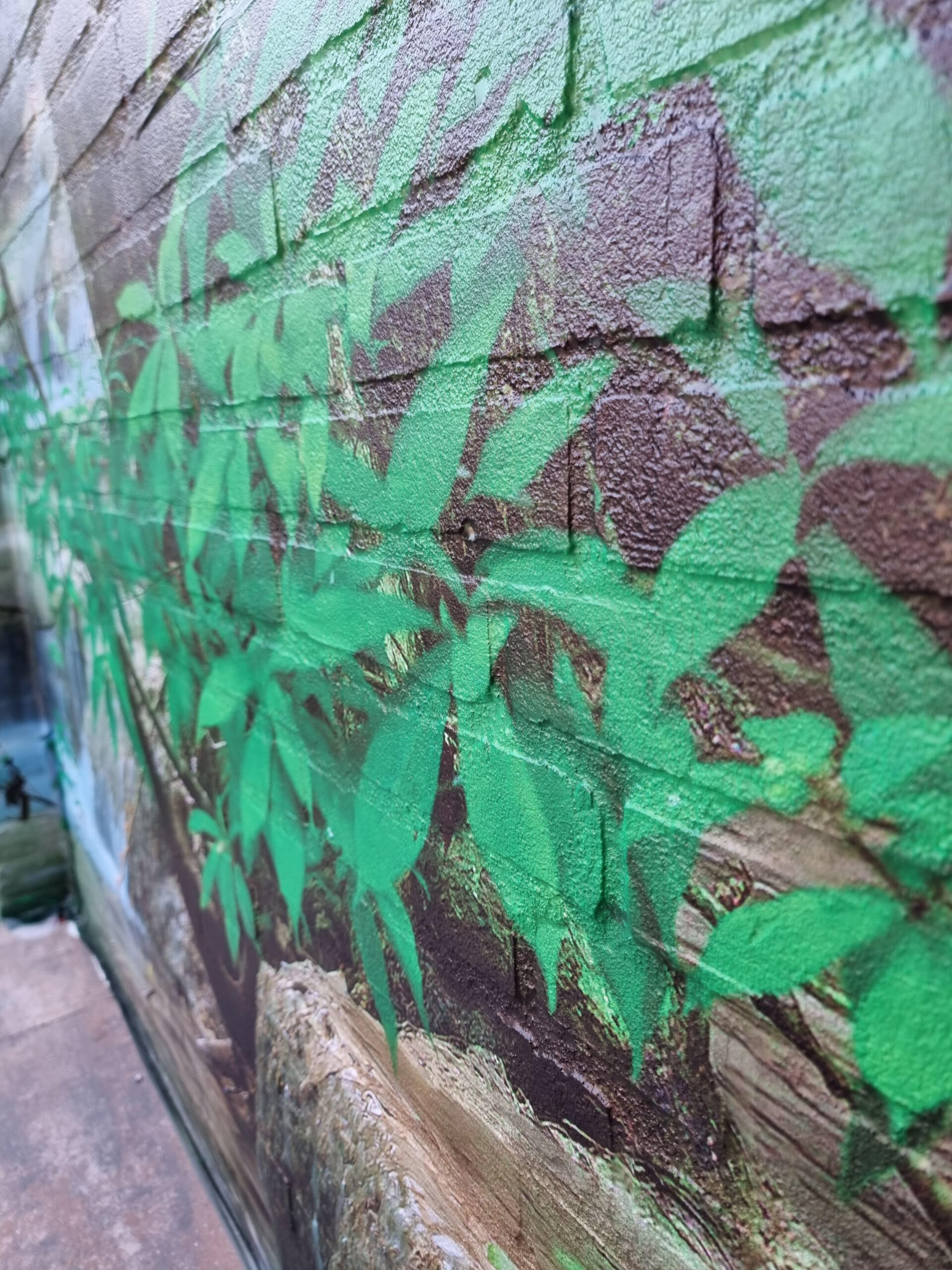
The technology conforms to uneven areas and deep textures, enhancing the character of raw materials.
Decorative elements and moldings
Graphic application on three-dimensional elements with complex shapes and details.
Metal and ceramics
The transparency of the material preserves the character of the surface while enriching it with a custom graphic.
Plastics and composites
Modern materials used in advertising, architecture, and exhibition design.
One technology.
Unlimited design possibilities.
For projects where the graphic should become one with the surface
A solution for people and companies looking for new ways to design surfaces, decorative elements, and spaces.
Architects and interior designers
Projects in which the graphic becomes an integral part of the material. Concrete, wood, decorative plaster, and textured panels retain their character while gaining a new visual dimension.
- Premium feature walls
- Bespoke interior designs
- Wall panels and cladding
- Interior design elements
- Commercial and hospitality spaces
Hotels, restaurants, and public spaces
Give interiors a distinctive character with surfaces that become part of the identity of the place — across walls, panels, details, and entrance areas.
- Lobbies and reception areas
- Restaurants and cafés
- Wellness and spa areas
- Premium apartments
- Prestigious spaces
Companies and brands
Spaces that strengthen brand identity. Zimli brings visual identity onto architectural surfaces in an aesthetic and durable way.
- Showrooms
- Retail spaces
- Trade show booths
- Office spaces
- Product displays
One technology, many industries.
From interior design to brand presentation.
What to know before your project
Quick answers to the questions we hear most often when selecting the right technology. Did not find yours? Get in touch.
How is Zimli Cold Transfer different from a wall mural or sticker?
This is not a layer simply placed over the surface, but a graphic transfer medium that becomes almost invisible after application. Instead of covering the substrate with a flat layer, the transparent film integrates the graphic with the material — wood grain, concrete texture, and the structure of decorative plaster remain visible.
How does the graphic adhere to an uneven, textured surface?
The material stretches up to 200% and conforms to reliefs up to 2 cm (20 mm) deep. This allows it to adapt to uneven areas, joints, and deep textures while maintaining the continuity of the graphic.
Is the film itself visible after application?
No — the film is transparent and becomes virtually invisible once applied. Only the graphic integrated with the surface remains visible, while the substrate retains its natural appearance and character.
What surfaces can the technology be applied to?
It can be applied to decorative plaster, architectural concrete, wood, brick, metal, ceramics, glass, 3D panels, moldings, plastics, and composites, among other surfaces — using one technology, indoors and outdoors.
Can the graphic be used on facades and in outdoor conditions?
Yes. The technology is designed for both interior and exterior walls exposed to weather conditions. After application, the graphic should be protected with the system resin.
What is selective white underprinting?
It is an optional, selectively applied white layer beneath chosen parts of the graphic. It increases contrast and color intensity exactly where needed while preserving transparency in the remaining areas.
Can I use my own graphic design?
Yes. Virtually any graphic can be applied — a decorative pattern, photograph, illustration, artistic design, or brand identity. The technology adapts to the design, not the other way around.
We'll tailor the solution to your project
Need detailed technical documentation or advice for a specific surface? Contact us — we will help you prepare a solution tailored to your space.